



LATEST NEWS
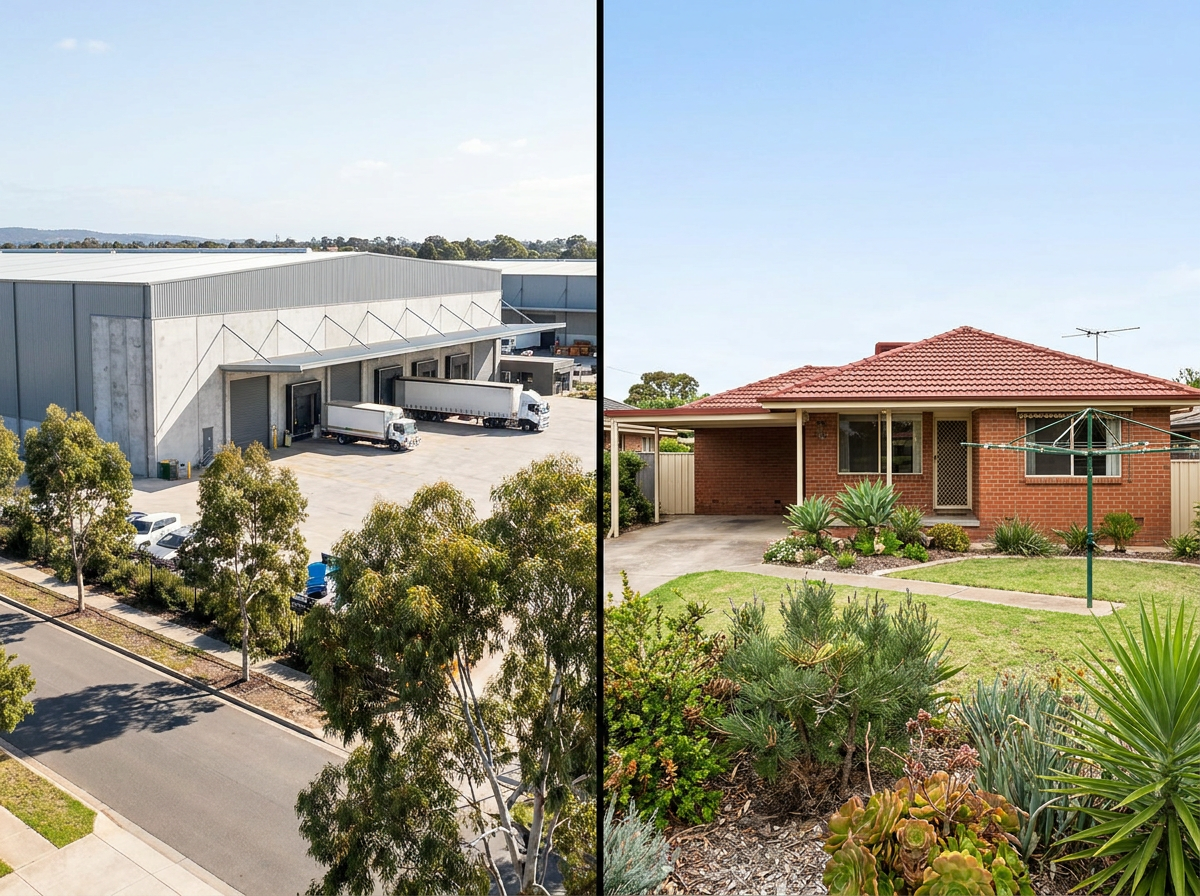
Industrial / Commercial Real Estate: Why Savvy Investors Are Backing Commercial Property
Why Industrial and Retail Property Deserves a Place in Your Investment Portfolio
When most Australians think about property investment, residential real estate tends to dominate the conversation. Houses, apartments, and townhouses get most of the attention — and most of the headlines. But for investors looking beyond the familiar, commercial property, and industrial and retail in particular, offers a compelling set of advantages that residential simply cannot match.
At Muller Commercial, we work with commercial property owners and investors across Western Sydney and the Hawkesbury every day. We see firsthand what makes these assets perform, and what makes savvy investors keep coming back for more. If you’ve been wondering whether industrial or retail property belongs in your portfolio, here’s what you need to know.
Reliable, Long-Term Income Streams
One of the most immediate advantages of industrial and retail investment is the quality of the income. Commercial leases typically run for five, seven, or even ten years, often structured as a base term with options — for example, five years plus a three-year option, or three years plus three. Contrast that with a standard residential lease, which typically rolls over annually, and the difference becomes clear.
Long leases mean long stretches of predictable, uninterrupted rental income. There are far fewer of the vacancy gaps, tenant changeovers, and re-leasing costs that eat into returns on residential assets. For an investor managing a portfolio alongside a business or a busy life, that stability is genuinely valuable.
Rent reviews built into commercial leases add another layer of protection. Most are structured to increase annually at a fixed rate, tied to CPI, or set at whichever figure is higher. Over the life of a lease, these reviews compound into a meaningful uplift — one that keeps pace with, and often exceeds, the rate of inflation.
Tenants Who Pay Their Own Way
This is perhaps the most significant structural difference between commercial and residential investment, and one that catches many new investors by surprise. In a well-structured commercial lease, the tenant pays outgoings — council rates, water charges, insurance, and other running costs — rather than the landlord. This net lease arrangement means that the income the owner receives is far closer to being genuinely net income, with fewer deductions on the way down.
It also shifts the complexity of property ownership in the owner’s favour. When a tenant is responsible for their own outgoings, the owner’s exposure to rising costs is substantially reduced. That’s a materially different dynamic to a residential investment, where rates, insurance, and maintenance all sit firmly on the landlord’s ledger.

Vacancy Risk Is Easier to Manage Than You Think
One of the most common hesitations we hear from people considering commercial property is a fear of vacancy. The assumption is that a warehouse or retail space sitting empty is catastrophic. In reality, vacancy risk in commercial property — particularly industrial — is often more manageable than it appears, especially in markets like Western Sydney.
The industrial sector in this region has remained resilient. Demand for warehouse and logistics space has grown consistently, driven by e-commerce, distribution, and trades-based businesses that need accessible, well-located premises. Properties in the Windsor, South Windsor, and Richmond corridors tend to lease reliably when they’re priced sensibly and presented well. The key factors are accurate pricing and reaching the right audience quickly — both areas where working with a specialist agency pays for itself many times over.
Capital Growth with Commercial Upside
Like residential property, well-located commercial and industrial assets can appreciate meaningfully over time. But commercial property offers an additional pathway to capital growth that residential doesn’t: the income itself drives value. Because commercial properties are often valued with reference to the rental income they generate, a well-managed property with strong tenancy and growing rents becomes a more valuable asset simply by doing its job well.
This means that an owner who actively manages their property — ensuring rents are reviewed, leases are renewed promptly, and the property is maintained to a high standard — is directly contributing to its capital value. That’s a lever residential investors rarely have access to in the same way.
Diversification Beyond the Familiar
Portfolio theory is straightforward in principle: spreading risk across different asset classes reduces overall exposure. In practice, most Australian property investors remain heavily weighted towards residential, sometimes without realising it. Adding a commercial or industrial asset brings genuine diversification — a different tenant profile, a different income structure, and returns that don’t always move in lockstep with the residential market.
For business owners in particular, a commercial property investment can also make strategic sense. Owning the asset your business operates from, or building a portfolio of assets similar to your own premises, draws on knowledge you already have and keeps more of your commercial expenditure within your own wealth ecosystem.

The Advantage of Local Expertise
Understanding the numbers is one thing. Understanding the market is another.
Commercial property in Western Sydney is not a homogenous product. A warehouse in Mulgrave behaves differently to a retail tenancy in Windsor. A large hardstand property near the Hawkesbury presents different opportunities and risks to a compact industrial unit in South Windsor. The factors that determine value — location, access, zoning, tenant quality, lease structure, and the depth of the local market — vary considerably, and they require on-the-ground knowledge to read accurately.
This is where working with a specialist matters. At Muller Commercial, we bring more than 25 years of experience in this specific market. We know the properties, we know the tenants, and we know what a realistic return looks like in today’s conditions. We’re not selling a product — we’re helping owners and investors make decisions they’ll be comfortable with for the long term.
Thinking About Making a Move?
Whether you’re a first-time commercial investor weighing up your options, or an existing property owner looking to grow your portfolio, we’d welcome the conversation. Thomas Muller and the team at Muller Commercial are available to provide honest, no-obligation market appraisals and investment guidance tailored to your situation.
Reach out to Thomas directly on 0409 469 628, or visit mullerre.com.au to learn more about what we do and the properties we currently manage across Western Sydney and the Hawkesbury.


